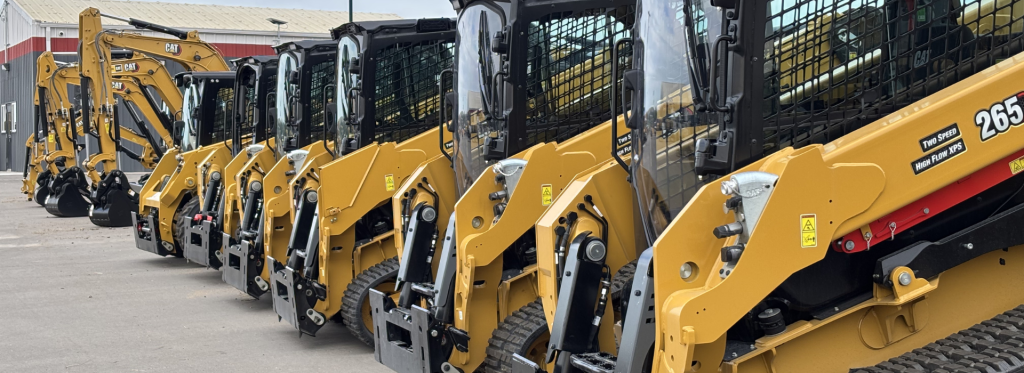
Smart equipment investments go beyond comparing sticker prices. You need to understand the complete financial picture to choose machinery that fits your business needs. The true cost of compact construction equipment encompasses fuel consumption, operator wages, maintenance expenses and resale value. When you calculate the total cost of ownership (TCO), you gain clarity on every dollar you spend on a piece of machinery throughout its life cycle.
Calculating TCO lets you buy smarter, maintain an accurate operating budget and maximize your return on investment. Learn how to determine TCO to decide when to buy new or used equipment and when to rent.
What Is Total Cost of Ownership?
The total cost of ownership for equipment goes beyond the initial purchase price of a machine. It represents the sum of all direct and indirect costs you'll incur throughout the asset's entire life cycle. Think of it like owning a car — you don't just pay the purchase price but also cover gas, insurance and maintenance over the years.
TCO offers a complete financial picture from the first day you acquire equipment to the last day of ownership. Understanding the true cost of owning construction equipment helps you budget accurately and avoid financial surprises that can strain your operations.
Acquisition Costs for Compact Construction Equipment
Pay close attention to all the fees that you need to pay when acquiring new construction machinery.
Purchase Price
The initial purchase price is the most straightforward expense. It's often the most visible number, but not always the most important in the long run. The purchase price includes the base cost of the machine, along with any optional attachments, specialized configurations and delivery charges. Also consider any applicable taxes, tariffs or dealer fees that add to the up-front cost.
Financing and Loan Interest Costs
Most businesses finance construction equipment rather than paying cash up front. The cost of financing can significantly add to the overall purchase price through loan interest.
Interest costs are often an overlooked expense, but the U.S. Army Corps of Engineers Equipment Ownership and Operating Cost methodology explicitly includes the cost of capital — calculated using your loan interest rate.
Your credit history, time in business and chosen lender all heavily influence the interest rate you'll pay. Even a few percentage points difference in your rate can translate to thousands of dollars over the life of the loan. It is crucial to consider the interest that you will pay over the span of your loan when calculating the equipment's total cost of ownership.
Consider opening a Cat Commercial Account, which offers flexible payment options so your equipment financing fits your budget. You can also take advantage of special financing offers and earn Cat Rewards Points on certain purchases. This account simplifies expense management without charging annual fees.
Operating Costs for Compact Construction Equipment
Heavy equipment operating costs accumulate steadily throughout your ownership period and often exceed the initial purchase price. These recurring expenses directly impact your project's profitability and should factor heavily into your TCO calculation.
Fuel Consumption
Fuel represents one of the most significant ongoing expenses for compact construction equipment. Several key variables influence how much you'll spend at the pump:
- Fuel type
- Engine size and type
- Equipment age
- Operating conditions
- Operator habits
You can consult the equipment manual for fuel consumption figures across virtually every machine type, including excavators, dozers, graders and trucks. The handbook sources all its figures from VisionLink® telematics, meaning these are real-world operational averages rather than lab estimates.
Operator Wages and Training Expenses
Labor expenses represent another substantial portion of your budget. How much you'll pay depends on an operator's experience, skill level and regional wage rates. The Occupational Safety and Health Administration sets standards for safe operation, so training expenses also factor into this category to ensure operators meet OSHA education and training requirements.
Annual Insurance Premiums
Annual insurance premiums protect your compact construction equipment against damage, theft and liability. Several factors influence the cost of these premiums: the machine's current worth, its age, your company's claims history and the extent of coverage you choose.
Maintenance Costs for Compact Construction Equipment
Construction equipment ownership costs include both planned and unplanned service throughout the ownership period. While the VisionLink telematics platform significantly reduces unnecessary service calls, budgeting for upkeep remains essential.
Routine Preventive Maintenance
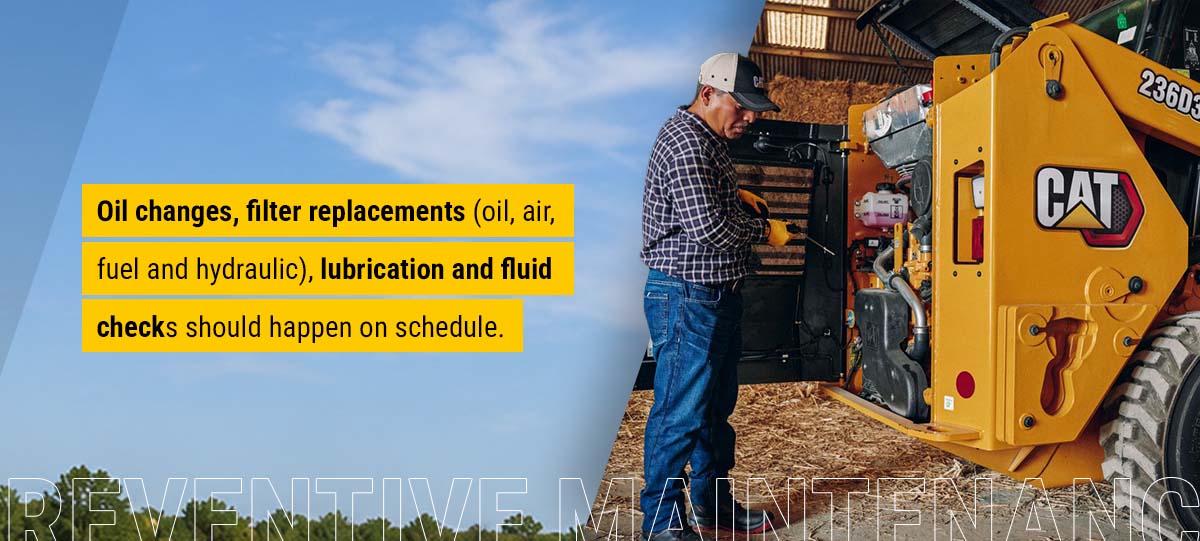
Keeping your machines in peak condition forms the backbone of equipment longevity and efficiency. Oil changes, filter replacements (oil, air, fuel and hydraulic), lubrication and fluid checks should happen on schedule. These small, consistent investments prevent larger and more expensive problems down the line. Routine maintenance also improves fuel efficiency and ensures optimal performance.
Budgeting for Unplanned Repairs
Despite diligent preventive care, unplanned repairs can still occur. Equipment can experience engine failures, transmission issues or hydraulic system problems that require immediate attention. Establishing a dedicated budget or reserve fund for such repairs is a vital aspect of the total cost of ownership.
It is also important to note that service costs go beyond the repair bill itself. Unplanned downtime includes lost productivity, project delays and potential rental fees for a substitute machine while yours sits in the shop.
End-of-Life Value for Compact Construction Equipment
Heavy equipment starts losing worth the moment it enters your fleet — how much and how fast depend on several factors.
Well-maintained machines with complete service records command higher prices because buyers trust they'll perform reliably. Equipment life cycle costs and eventual resale price both hinge on condition and documentation.
Hours of use also directly impact what you can recover — lower-hour machines typically sell for more because they have more productive life remaining.
Make Savvy Compact Construction Equipment Acquisition Decisions
Calculating TCO gives you a clear view of how machinery impacts your budget. This clarity enables better decision-making across several key areas. With accurate TCO numbers, you can decide whether to purchase new or used equipment or opt for a rental.
- Buy or rent: Short-term projects might not warrant a purchase. Analyzing whether to rent or buy based on equipment costs enables smart financial decisions. Leasing or renting might be more financially viable when you only need machines occasionally. Evaluating your equipment needs helps you determine the right path.
- New or used models: Advanced technology and warranties come with new machines, while used models offer a more affordable price point. Your TCO calculation should weigh these benefits against your budget.
- Timing your resale: While holding onto older machines might seem cost-effective, there's a point when upgrading your construction equipment makes more financial sense. Rising repair bills and declining productivity signal it's time to sell.
Get the Equipment You Need With Wagner Equipment Co.
Calculating TCO is essential for making profitable decisions, and Wagner Equipment Co. is your total solutions provider at every stage of the life cycle. Our service network can reduce TCO through faster response times and support. Whether you're ready to purchase new Cat® equipment, explore the value of used models, evaluate rental options or control costs with Customer Value Agreements, our one professional team is here to deliver quality solutions.
Contact Wagner Equipment Co. today to start your analysis and find the right solution for your operation.